September 11, 2026
Undertaking a landscaping project can transform your outdoor space, but it's crucial to have a clear plan and realistic expectations. Asking the right questions can make all the difference in ensuring that your vision comes to life smoothly and effectively. This article outlines the essential questions to ask your landscape designer before embarking on this transformative journey. By understanding their experience, design philosophy, project planning, fee structures, and post-completion support, you can ensure a successful collaboration. With these three questions in mind, you'll be equipped to choose a designer who aligns with your goals and creates an outdoor space that you can enjoy for years to come.
1. What Is Your Experience and Background?
1.1 Education and Certifications
When selecting a landscape designer, their educational background and certifications can indicate their level of expertise. Many designers hold degrees in landscape architecture or related fields, which provide them with a solid foundation in design principles and environmental planning. Certifications from professional bodies, such as the Association of Professional Landscape Designers, can further demonstrate their commitment to excellence. Inquiring about their continuous education efforts reveals their dedication to staying updated with industry best practices. Understanding their educational journey offers insight into their capability to handle the intricacies of your project.
1.2 Years in the Industry
The number of years a landscape designer has been in the industry can significantly influence the quality of their work. It's worth considering that more experienced designers may have honed their problem-solving skills over the years. They would have faced a variety of challenges and developed strategies to overcome them, which is invaluable to your project. But it's not solely about the years; it's about the depth and diversity of their experience. Newer designers can also bring fresh perspectives and innovative ideas to the table, enriching your landscaping project.
1.3 Specialization Areas
Landscape designers often have specific areas of expertise, such as residential gardens, commercial landscapes, or sustainable designs. Knowing what they specialize in helps in aligning their skills with your project's needs. Designers who focus on sustainable landscapes may have advanced knowledge in native plant use or eco-friendly materials. Conversely, those specializing in luxury gardens may excel in creating upscale and intricately detailed outdoor spaces. Understanding their specialization ensures that your project benefits from their niche skills and experiences.
1.4 Portfolio and Past Projects
Reviewing a designer's portfolio provides a visual representation of their capabilities and style. It allows you to see firsthand the results of their creativity and skill application. By examining various projects, you can discern if their style aligns with your vision for your outdoor space. Portfolios can also showcase their versatility, demonstrating their ability to work on projects of different scales and themes. Evaluating past projects helps in assessing their competence in delivering quality results consistently.
2. What Are Your Design Principles?
2.1 Style Preferences and Themes
A landscape designer's style preferences and themes can shape the outcome of your project. Whether you prefer a minimalist, contemporary look or a classic, lush garden, their design sensibilities need to resonate with your vision. Designers may draw inspiration from various sources, blending different styles to create a unique outdoor space. Ensuring that their design philosophy aligns with your aesthetic desires fosters a cohesive and visually pleasing outcome. It's essential to discuss these preferences early to ensure a harmonious collaboration.
2.2 Sustainable Practices
With growing environmental concerns, many clients prioritize sustainable landscaping practices. When asking about sustainable practices, inquire how the designer incorporates eco-friendly materials and maintains biodiversity. They might use drought-tolerant plants, efficient irrigation systems, and recycled materials in their designs. Sustainability also includes the designer's ability to minimize waste and energy use throughout the project. According to Jobber, more than 70% of landscapers offer design and construction services, highlighting the importance of choosing a designer with sustainable approaches for a long-lasting, environmentally friendly landscape.
2.3 Plant Selection Criteria
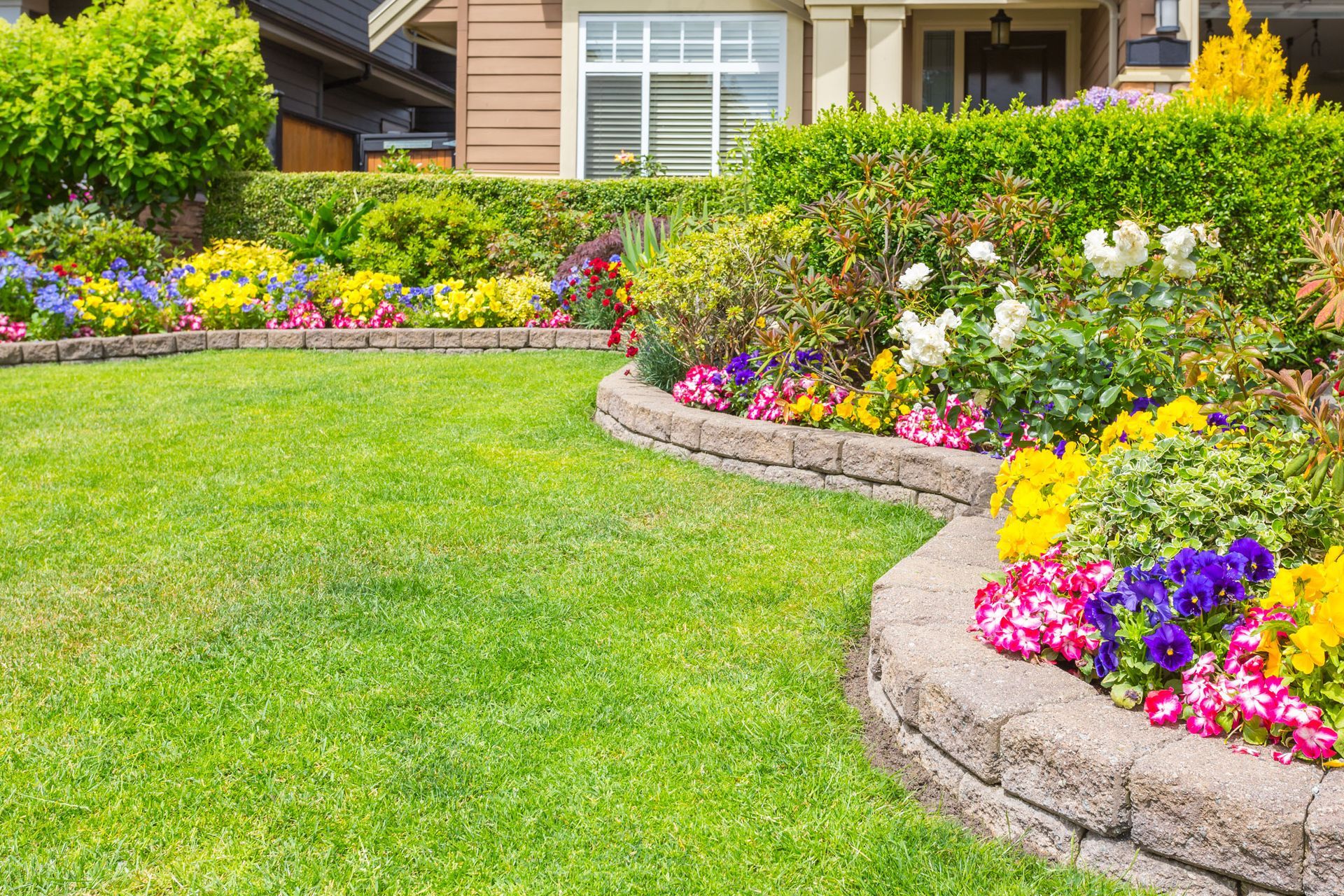
The right plant selection is crucial for a thriving landscape. Landscape designers need to consider factors like climate, soil type, and maintenance preferences when choosing plants. Their ability to select plants that complement each other while thriving in the local environment showcases their expertise. Additionally, some clients may have specific preferences for native or exotic plants, which should be discussed with the designer. Understanding their plant selection criteria ensures that your garden is both beautiful and resilient.
2.4 Hardscape Integration
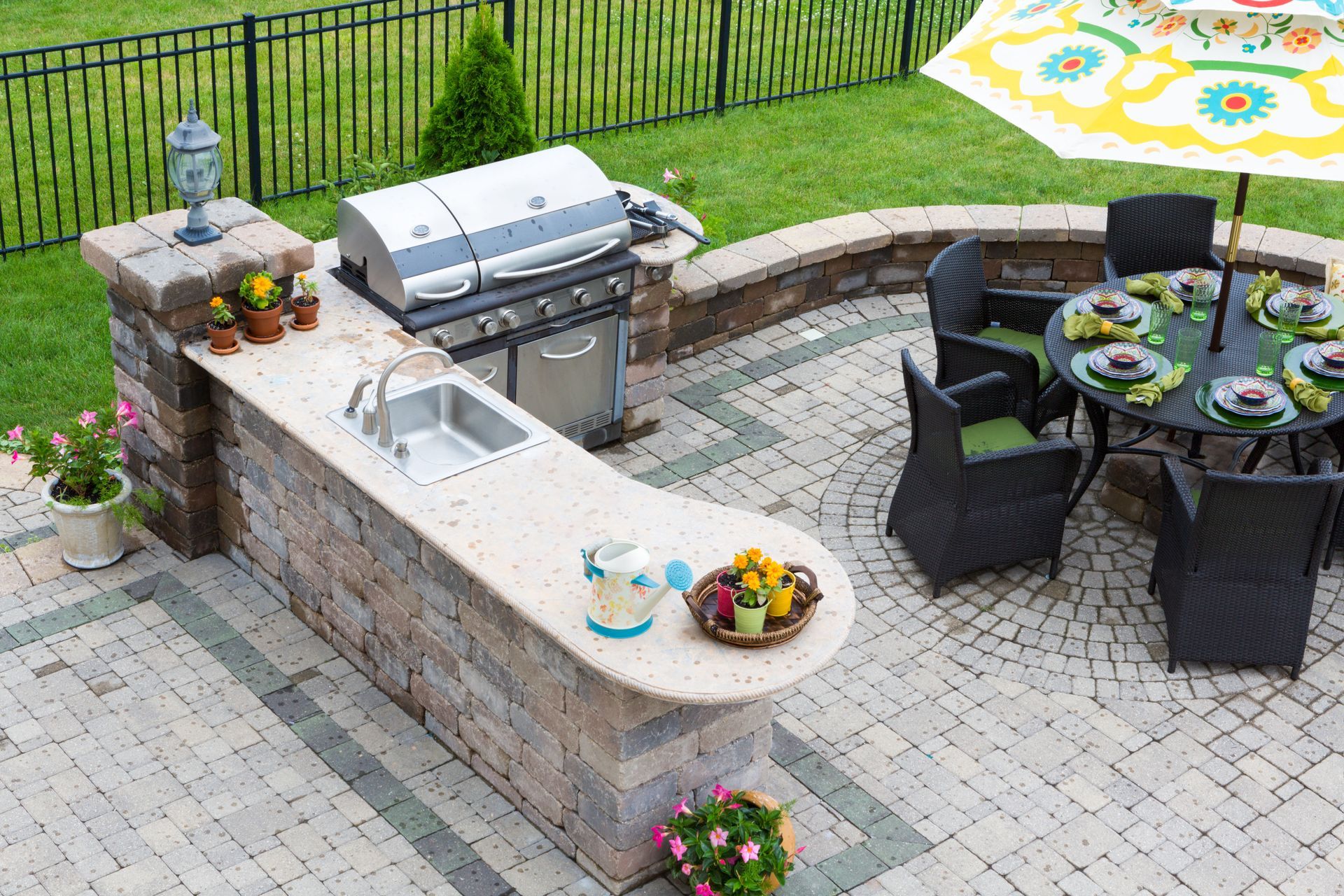
Hardscaping elements, such as patios, walkways, and retaining walls, play a significant role in the overall design. These structures should harmonize with the natural elements of the landscape. A skilled designer will be adept at integrating these features to enhance both aesthetics and functionality. Their approach to hardscaping reflects their creativity and ability to solve spatial challenges. Discussing their hardscape integration strategy can provide assurance of a balanced and cohesive outdoor space.
3. How Do You Plan a Project?
3.1 Initial Consultation Process
The initial consultation process sets the foundation for the entire project. During this stage, the designer and client exchange ideas and explore possibilities. It's a valuable opportunity to communicate your needs, preferences, and expectations clearly. The designer's ability to ask pertinent questions and listen actively indicates their commitment to fulfilling your vision. A thorough consultation process leads to a design that truly reflects your desires and lifestyle.
3.2 Site Analysis and Assessment
Effective landscape design requires a comprehensive site analysis and assessment. This step involves evaluating the topography, soil conditions, and existing vegetation, among other factors. A detailed site assessment helps the designer identify potential challenges and opportunities within the space. It also allows for the incorporation of natural features that can enhance the design. A careful examination of the site is crucial for creating a plan that is both practical and innovative.
3.3 Design Proposal and Revisions
After initial consultations and site assessments, the designer prepares a detailed design proposal. This proposal outlines the design concepts, material selections, and layout plans. Engagement with the client is crucial during this phase, as revisions may be necessary to align the project with their vision. Open communication and collaboration ensure that the final design proposal is both visually appealing and practical. Flexibility and responsiveness in addressing client feedback are key aspects of this stage.
3.4 Project Timeline and Milestones
A realistic project timeline and clearly defined milestones are essential for a successful landscaping project. The designer should provide a comprehensive schedule outlining each phase of the project. Understanding the timeline helps in setting expectations and avoiding unnecessary delays. Discussions about potential disruptions and contingency plans can also be beneficial. Transparency about the project timeline fosters trust and ensures smooth progress from inception to completion.
3.5 Coordination With Other Contractors
Collaboration with other contractors, such as builders or arborists, might be necessary depending on the project's scope. A designer's experience in coordinating with various professionals ensures a cohesive and integrated approach. Effective communication and scheduling can prevent discrepancies and delays during the construction phase. It's crucial to understand the scope of the designer's involvement in project management and how they facilitate a seamless workflow. This coordination is vital for a successful and timely completion of the landscaping project.
By asking these crucial questions, you'll be better equipped to choose a landscape designer who aligns with your vision and expectations. This will help ensure that your landscaping project is both beautiful and functional, creating an outdoor space that you can enjoy for years to come. A collaborative and well-managed approach to landscape design encourages successful execution and lasting satisfaction. Engaging with the landscape designer throughout every stage—from design to maintenance—fosters a relationship grounded in trust and shared vision. Ultimately, the right questions pave the way for a transformative and rewarding landscaping experience, so call Crown's Landscaping today to get answers to all your questions.